January 7
1835: HMS Beagle anchored off Chonos Archipelago.
1888: The Sherlock Holmes adventure "Valley of Fear" began.
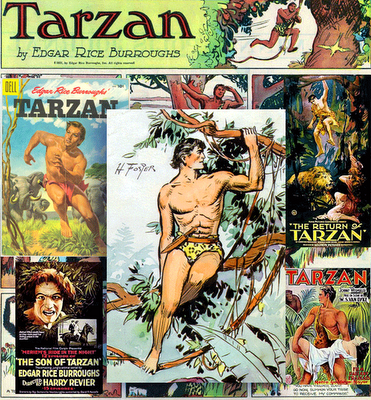
1929: One of the first adventure comic strips first appears. It was called "Tarzan".
1929: "Buck Rogers," the first science fiction comic strip, premiered.
1934: The "Flash Gordon" comic strip (by Alex Raymond) debuted.
1953: President Truman announced the development of the hydrogen bomb.
1959: The U.S. officially recognized Fidel Castro's Cuban government.
1975: Led Zeppelin fans rioted before a Boston concert. Damages were estimated at $30,000.
1999: Senate began to try President Clinton for lying under oath and obstruction of justice in the Lewisnky case.
January 6
1066: Harald, King of England, crowned.
1540: Henry VIII married Anne of Cleves. Anne was Henry's 4th wife.
1773: Slaves in Massachusetts petitioned for freedom to that state's legislature.
1854: Happy Birthday Sherlock Holmes.
1880: Seattle notes a record snow cover of 47.25 inches (120 cm).
1936: Webbwood, Ontario in Canada welcomed the first woman mayor, Barbara Hanley.
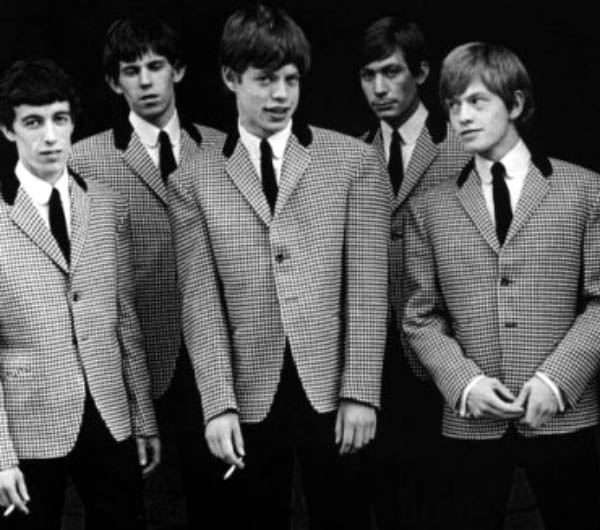
1964: The Rolling Stones (pictured) kicked off their first headlining tour, with The Ronettes.
1968: The Beatles' "Magical Mystery Tour" hit #1 and stayed there for 8 weeks.
1993: Jazz Great Dizzy Gillespie died this day in Englewood, NJ.
January 5
1066: Edward the Confessor, King of England, died.
1531: Pope Clemens VII denied Henry VIII permission to re-marry which led to the creation of the church of England.
1919: Locksmith Anton Drexler founded The German Workers' party in Munich; it eventually became the Nazi party.
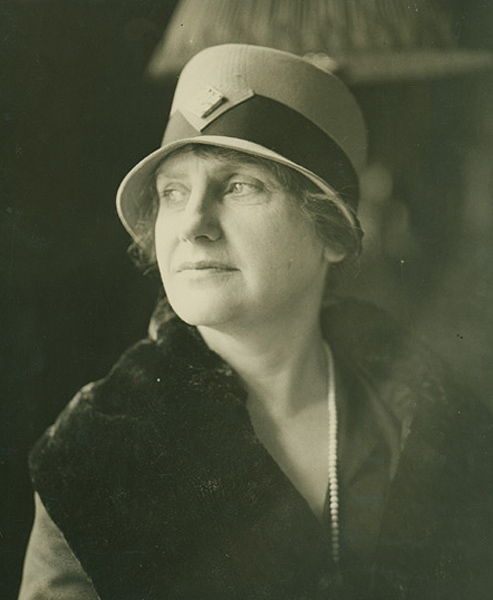
1925: Nellie Tayloe Ross (pictured) of Wyoming was sworn in as the first woman governor in the United States.
1972: NASA announced its plans for their new vehicle, the Space Shuttle.
January 4
1643: Happy Birthday Sir Isaac Newton.
1809: Happy Birthday Louis Braille, creator of the Braille system for the blind.
1885: In Iowa, the first successful appendectomy was performed.
1923: Lenin called for the removal of Stalin in his "Political Testament".
1948: Britain granted Burma's independence.
1958: Sputnik reentered Earth's atmosphere and burned up.
1960: In Stockholm, the European Free Trade Association was formed.
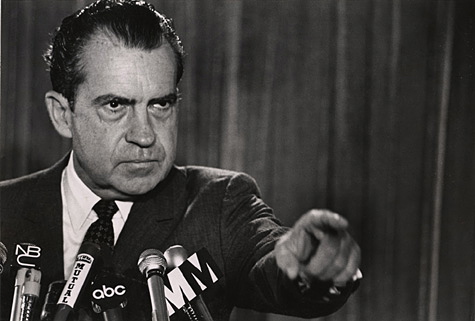
1974: President Richard Nixon refused to hand over the tapes subpoenaed by the Watergate Committee. (Pictured: President Nixon [11/73] during the "I Am Not A Crook" speech.)
1980: President James Carter announced a U.S. boycott of the Moscow Olympics.
1981: British police arrested Peter Sutcliffe, known in the press as The Yorkshire Ripper.
1995: Newt Gingrich became speaker of the House.
2007: Nancy Pelosi was elected Speaker of the House by a vote of 233-202.
January 3
1746: Bonnie Prince Charlie's army left Glasgow.
1777: George Washington and the Continental Army defeated the British at the Battle of Princeton.
1847: The coastal California town of Yerba Buena was renamed San Francisco.
1862: Stonewall Jackson's Romney Campaign, begun on January 1, moved north from Winchester.
1920: The New York Yankees 'purchased' Babe Ruth from the Red Sox for $125,000.
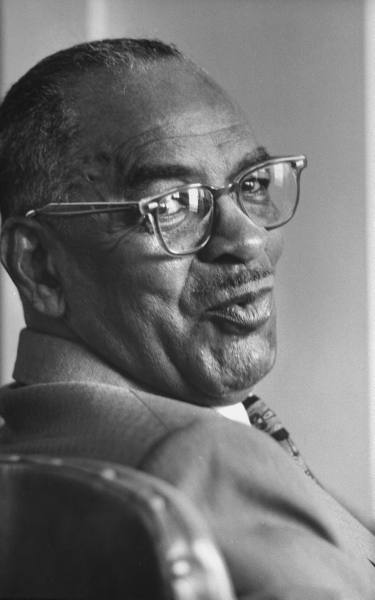
1947: William Levi Dawson [D. IL.], the third elected African American Congressman, became the first African America to chair a standing committee. (pictured)
1961: The United States broke diplomatic relations with Cuba.
1969: Representative Adam Clayton Powell, Jr. was seated by Congress.
1987: Areatha Franklin was inducted into The Rock and Roll Hall of Fame; she was the first female artist so honored. [High time, as well!—Ed.]
2009: Israel launched an invasion of the Gaza strip. Hostilities ended on January 18 and Israel completed its withdrawal on January 21. This conflict has been referred to as the Gaza War.
January 2
A very busy day in history!
1776: The first revolutionary flag was displayed in the 13 Colonies in North America.
1788: Georgia became the fourth State in the fledling Union to ratify the U.S. Constitution.
1800: The free black community of Philadelphia petitioned Congress to abolish slavery.
1870: Construction of the Brooklyn Bridge began.
1890: Naturalist and explorer E. A. McIlhenny shot an alligator in Louisiana. The beast was a record 19'2" long.
1903: President Theodore Roosevelt shut down Indianola, MS Post Office for refusing to accept a black postmistress.
1919: Lithuania ganed independence.
1935: The Bruno Hauptmann trial began. Hauptmann was accused of the kidnap and murder of the Lindbergh baby.
1942: Japanese troops occupied Manila in the Philippines.
1947: Mahatma Gandhi began a march for peace in East-Bengali.
 1959: The USSR launched Mechta, Luna 1, makring the first solar orbit and the first lunar fly-by. The Space Race had begun.
1960: Senator John Fitzgerald Kennedy announced for the presidency.
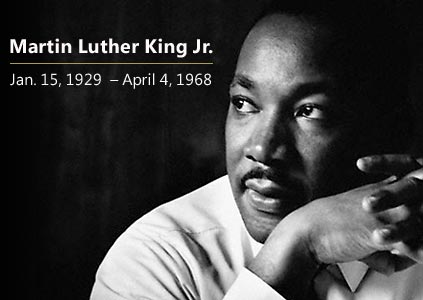
1965: Dr. Martin Luther King, Jr. began his drive to register black voters.
1965: Joe Namath signed as quarterback for the New York Jets.
1970: The population of the United States reached 203,302,031.
1972: Mariner 9 begand the mapping of the planet Mars.
1974: Presdient Richard M. Nixon declares a country-wide 55 mph speed limit.
1979: The Sid Vicious trial began. Sid was accused of murdering his girlfriend Nancy Spungen.
1983: "Doonesbury" creator Gary Trudeau began a 20-month hiatus from writing the popular strip.
1984: Wilson Goode was sworn-in as Philadelphia's first black mayor.
1990: Dow Jones hits record 2,800 (2,810.15).
1995: Scientists using the Keck telescope in Hawaii discoverd a galaxy estimated to be 15 billion light years from Earth. This is the most distant galaxy yet found.
2008: Oil reached $100 a barrel.
1959: The USSR launched Mechta, Luna 1, makring the first solar orbit and the first lunar fly-by. The Space Race had begun.
1960: Senator John Fitzgerald Kennedy announced for the presidency.
1965: Dr. Martin Luther King, Jr. began his drive to register black voters.
1965: Joe Namath signed as quarterback for the New York Jets.
1970: The population of the United States reached 203,302,031.
1972: Mariner 9 begand the mapping of the planet Mars.
1974: Presdient Richard M. Nixon declares a country-wide 55 mph speed limit.
1979: The Sid Vicious trial began. Sid was accused of murdering his girlfriend Nancy Spungen.
1983: "Doonesbury" creator Gary Trudeau began a 20-month hiatus from writing the popular strip.
1984: Wilson Goode was sworn-in as Philadelphia's first black mayor.
1990: Dow Jones hits record 2,800 (2,810.15).
1995: Scientists using the Keck telescope in Hawaii discoverd a galaxy estimated to be 15 billion light years from Earth. This is the most distant galaxy yet found.
2008: Oil reached $100 a barrel.
January 1, 1863
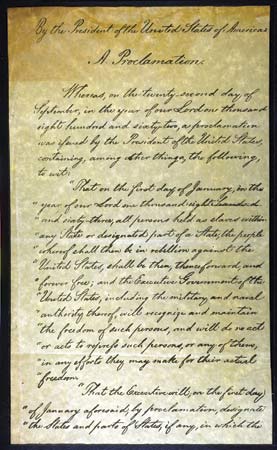
By the President of the United States of America
A Proclamation.
Whereas, on the twenty-second day of September, in the year of our Lord one thousand eight hundred and sixty-two, a proclamation was issued by the President of the United States, containing, among other things, the following, to wit:
"That on the first day of January, in the year of our Lord one thousand eight hundred and sixty-three, all persons held as slaves within any State or designated part of a State, the people whereof shall then be in rebellion against the United States, shall be then, thenceforward, and forever free; and the Executive Government of the United States, including the military and naval authority thereof, will recognize and maintain the freedom of such persons, and will do no act or acts to repress such persons, or any of them, in any efforts they may make for their actual freedom.
"That the Executive will, on the first day of January aforesaid, by proclamation, designate the States and parts of States, if any, in which the people thereof, respectively, shall then be in rebellion against the United States; and the fact that any State, or the people thereof, shall on that day be, in good faith, represented in the Congress of the United States by members chosen thereto at elections wherein a majority of the qualified voters of such State shall have participated, shall, in the absence of strong countervailing testimony, be deemed conclusive evidence that such State, and the people thereof, are not then in rebellion against the United States."
 Now, therefore I, Abraham Lincoln, President of the United States, by virtue of the power in me vested as Commander-in-Chief, of the Army and Navy of the United States in time of actual armed rebellion against the authority and government of the United States, and as a fit and necessary war measure for suppressing said rebellion, do, on this first day of January, in the year of our Lord one thousand eight hundred and sixty-three, and in accordance with my purpose so to do publicly proclaimed for the full period of one hundred days, from the day first above mentioned, order and designate as the States and parts of States wherein the people thereof respectively, are this day in rebellion against the United States, the following, to wit:
Arkansas, Texas, Louisiana, (except the Parishes of St. Bernard, Plaquemines, Jefferson, St. John, St. Charles, St. James Ascension, Assumption, Terrebonne, Lafourche, St. Mary, St. Martin, and Orleans, including the City of New Orleans) Mississippi, Alabama, Florida, Georgia, South Carolina, North Carolina, and Virginia, (except the forty-eight counties designated as West Virginia, and also the counties of Berkley, Accomac, Northampton, Elizabeth City, York, Princess Ann, and Norfolk, including the cities of Norfolk and Portsmouth[)], and which excepted parts, are for the present, left precisely as if this proclamation were not issued.
And by virtue of the power, and for the purpose aforesaid, I do order and declare that all persons held as slaves within said designated States, and parts of States, are, and henceforward shall be free; and that the Executive government of the United States, including the military and naval authorities thereof, will recognize and maintain the freedom of said persons.
And I hereby enjoin upon the people so declared to be free to abstain from all violence, unless in necessary self-defence; and I recommend to them that, in all cases when allowed, they labor faithfully for reasonable wages.
And I further declare and make known, that such persons of suitable condition, will be received into the armed service of the United States to garrison forts, positions, stations, and other places, and to man vessels of all sorts in said service.
And upon this act, sincerely believed to be an act of justice, warranted by the Constitution, upon military necessity, I invoke the considerate judgment of mankind, and the gracious favor of Almighty God.
In witness whereof, I have hereunto set my hand and caused the seal of the United States to be affixed.
Done at the City of Washington, this first day of January, in the year of our Lord one thousand eight hundred and sixty three, and of the Independence of the United States of America the eighty-seventh.
By the President: ABRAHAM LINCOLN
WILLIAM H. SEWARD, Secretary of State.
|